

When it comes to building or buying a home, one of the first big questions you’ll face is deciding between a modular home or a traditional site-built home. Both options offer unique advantages and challenges, so how do you know which is right for you?
Let’s break down the key differences to help you make an informed choice.
1. Construction Speed
Modular homes are known for their swift construction process. Since they are built in a factory-controlled environment, there are fewer delays due to weather, scheduling conflicts, or material shortages. Once the modules are completed, they are transported to the building site and assembled in a matter of weeks.
Traditional homes, by contrast, can take several months to complete, making modular homes an appealing option for those eager to move in quickly.
2. Cost Considerations
Budget is a big factor when choosing between modular and traditional homes. Generally, modular homes tend to be more cost-effective due to their efficient construction process and lower labor costs.
Traditional homes, however, can come with unexpected expenses, especially if construction runs over schedule. For buyers seeking predictability, modular homes offer more stable pricing without compromising on quality.
3. Quality and Durability
Some people worry that modular homes may be of lesser quality than traditionally built homes, but this is a myth. Modular homes are constructed to meet the same building codes and standards as traditional homes. In fact, the precision of factory assembly often ensures tighter seams, superior insulation, and better energy efficiency.
Traditional homes, built on-site, may face exposure to varying weather conditions that can impact construction quality, but they offer more freedom for custom architectural details.
4. Customization Options
Speaking of customization, traditional homes often provide more flexibility in architectural style, room layouts, and finishes. While modular homes have come a long way in offering customizable options, they may still have certain limitations in complex design features.
For buyers seeking unique layouts, traditional construction might offer more freedom. However, many modular homebuilders now offer customizable designs to suit different preferences and styles.
5. Environmental Impact
If you’re concerned about the environment, modular homes often produce less waste since they’re built in a factory setting. Additionally, many modular homes incorporate eco-friendly materials and energy-saving designs.
Traditional homes, built on-site, tend to generate more waste during the construction process but can also be tailored for sustainability based on the buyer's choices.
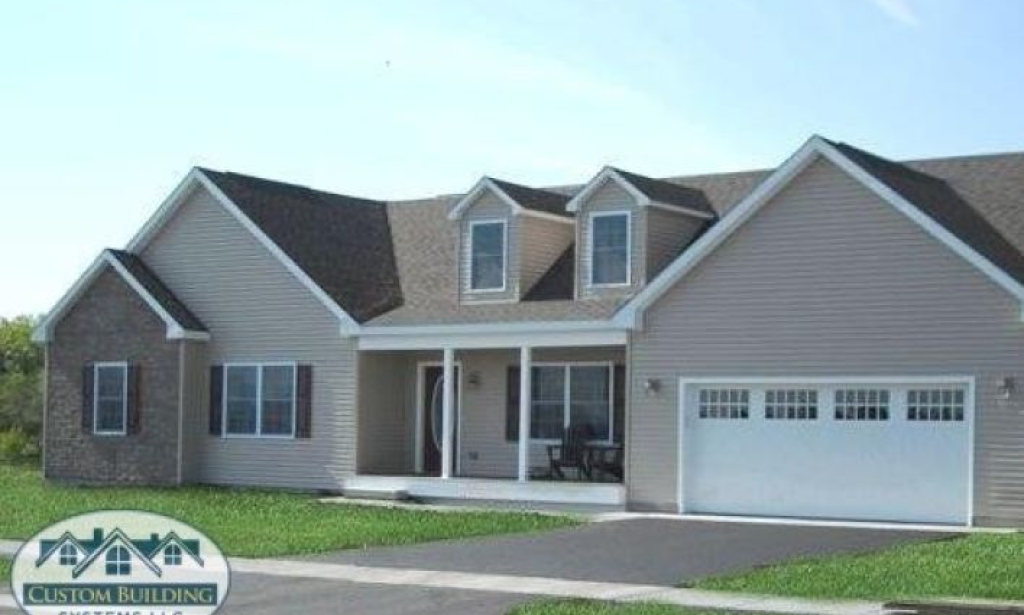
.jpg?token=c5f5c60cc06088aeb8a25882c5a9a1dd) Fort Drum – a two-story modular home.
Fort Drum – a two-story modular home.
Dreaming of a New Home?
Choose a modular home with HomeTek Builders for superior quality, faster construction, and cost savings. Let us bring your vision to life with precision. Call us today to start building your perfect modular home with HomeTek Builders!
You must be logged in to post a comment.