

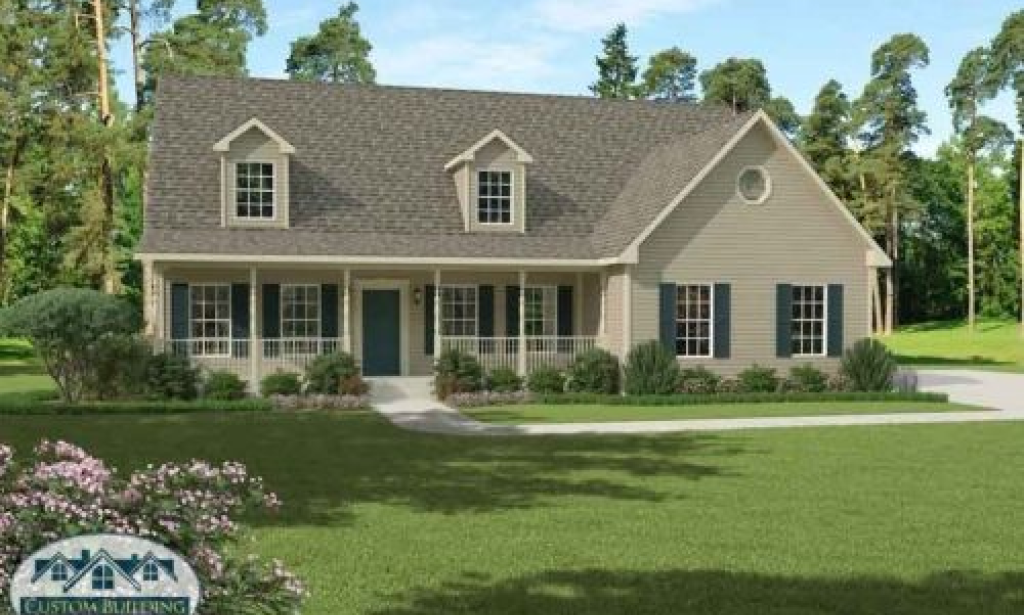
Modular homes on Cape Cod are becoming increasingly popular, offering flexibility not only in design but also in accessibility. Barrier-free or universal design focuses on creating living spaces that are comfortable, safe, and usable for people of all abilities. By integrating adaptive features and thoughtful layouts, modular homes can accommodate current needs while anticipating future requirements.
At HomeTek Builders, our approach to accessible modular homes combines expertise in construction with attention to ergonomic design. Clients can customize floor plans, room configurations, and key features to ensure safety, convenience, and independence throughout their home. Let’s explore the main advantages.
Key Features of Barrier-Free Modular Homes
Several design elements contribute to barrier-free living in modular houses:
· Wide Doorways and Hallways: Accommodate mobility devices and provide easier navigation.
· Lever-Style Hardware: Doors and faucets with lever handles reduce strain and improve usability.
· Accessible Kitchen and Bath Layouts: Cabinets, counters, and appliances can be placed at ergonomic heights for all users.
· Curbless Showers and Walk-In Tubs: Enhance safety while maintaining comfort and style.
· Adjustable Fixtures: Lighting, thermostats, and electrical outlets can be positioned for convenience and accessibility.
These features ensure that modular homes in Hyannis, Falmouth, and surrounding Cape Cod communities are functional for all residents while maintaining aesthetic appeal and high-quality finishes.
Benefits of Modular Construction for Universal Design
Modular construction provides unique advantages for building barrier-free homes:
· Precision and Consistency: Modules are built in a controlled factory environment, ensuring accuracy in dimensions and layout.
· Customizable Options: Homeowners can adjust floor plans and features during the digital design phase, reducing the need for costly modifications later.
· Reduced Construction Time: Modules are fabricated while site preparation occurs, accelerating the move-in timeline.
· Durability and Quality: Homes are constructed to withstand transportation and installation, using high-quality materials and methods.
This combination of flexibility, efficiency, and quality makes modular houses an excellent choice for accessible, independent living.
Planning a Modular Home for Accessibility
Designing a barrier-free modular home requires careful planning and collaboration. Homeowners can consider:
· How layout affects daily movement and accessibility throughout the home.
· Placement of fixtures and appliances to optimize usability.
· Integration of assistive technology, such as stair lifts, Hoyer lift systems, and ramps, as needed.
· Anticipation of future changes in mobility or physical needs.
With these considerations, families can enjoy a home that is both stylish and adaptable to evolving lifestyles.
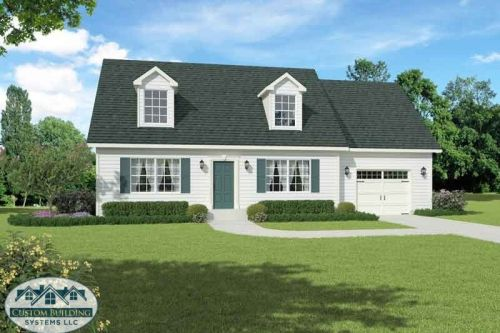
Creating Homes That Adapt to Your Life
Barrier-free modular homes combine comfort, safety, and long-term usability, making them suitable for a wide range of residents. Thoughtful design, accessible features, and precision construction ensure homes are functional today and in the future.
HomeTek Builders offers comprehensive modular home services on Cape Cod, including computer-generated custom designs and turnkey construction. Our team works with clients to create move-in-ready homes in Hyannis, Falmouth, Dennis, Wellfleet, Provincetown, and beyond.
Contact us now to explore how a barrier-free modular home can support your lifestyle and future needs.
You must be logged in to post a comment.