

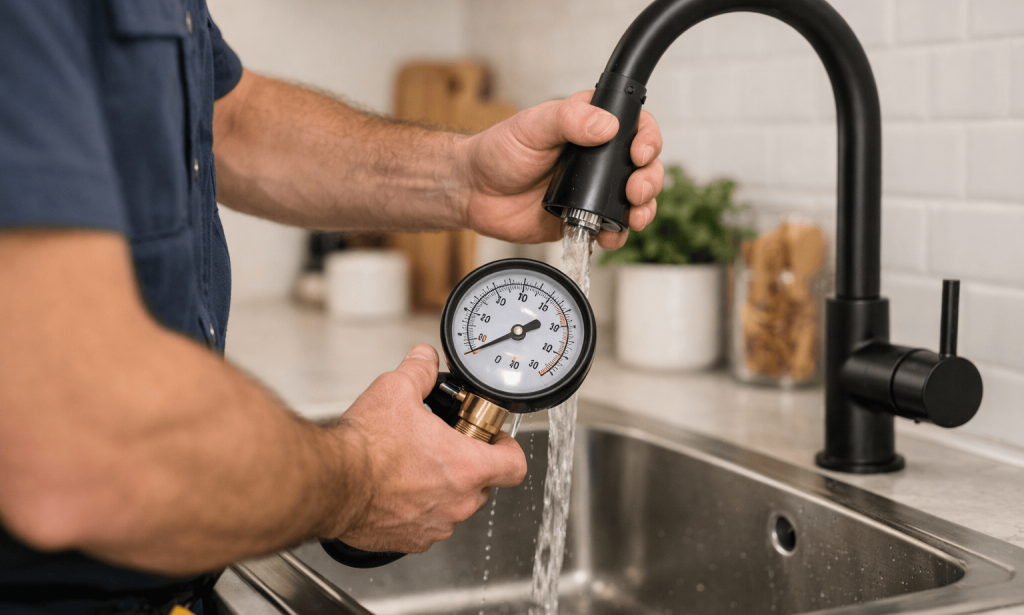
You turn on the shower expecting a steady stream of water, only to find it trickling out. The kitchen tap takes longer than usual to fill a kettle, and the washing machine seems to take forever to start.
Low water pressure is one of the most frustrating plumbing problems homeowners experience. While it might seem like a minor inconvenience at first, it can also be an early warning sign that something within the plumbing system needs attention.
The good news is that not every case requires major repairs. Sometimes the cause is surprisingly simple, while other situations need professional diagnosis before they develop into larger issues.
Here's what commonly causes low water pressure and what you should look for before the problem becomes more serious.
What Is Considered Low Water Pressure?
Every property experiences slight variations in water pressure throughout the day. Demand from neighbouring homes, maintenance work by the local water authority, and seasonal usage can all create small fluctuations.
However, if taps throughout your home consistently produce weak flow, or the problem appears suddenly, it's worth investigating.
Some common signs include:
- Weak shower pressure
- Slow-filling sinks or baths
- Appliances taking longer to fill
- Outdoor taps producing less water than normal
- Multiple fixtures experiencing the same issue
Check Whether the Problem Is Limited to One Fixture
The first step is determining whether the issue affects only one tap or the entire property.
If only one bathroom tap has poor pressure, the cause is often localised.
Possible reasons include:
- Mineral build-up inside the aerator
- A partially closed isolation valve
- A worn tap cartridge
Removing and cleaning the aerator can often improve water flow immediately.
If every fixture has reduced pressure, the cause usually lies elsewhere within the plumbing system.
Hidden Leaks Can Reduce Pressure
Not every plumbing leak leaves obvious water damage.
Small leaks inside walls, under floors, or underground can reduce available pressure throughout the home while slowly wasting water.
Some warning signs include:
- Damp patches
- Unexpected increases in water usage
- Mould growth
- Water sounds when no taps are running
Because hidden leaks often develop gradually, many homeowners don't notice the pressure loss until it becomes significant.
Old Pipes Can Restrict Water Flow
As plumbing systems age, minerals naturally accumulate inside pipes.
Over time this build-up reduces the internal diameter of the pipe, limiting how much water can pass through.
Older galvanised steel pipes are particularly susceptible to internal corrosion and mineral deposits.
Even copper pipes may develop restrictions depending on water quality and age.
Pressure Limiting Valves Can Wear Out
Many homes contain pressure limiting valves designed to protect plumbing fixtures from excessive pressure.
Like any mechanical component, these valves eventually wear.
A faulty valve may suddenly reduce water pressure across the entire property.
Fortunately, diagnosing and replacing these components is generally straightforward once the cause has been identified.
Water Filters Can Become Blocked
Whole-house water filtration systems improve water quality but require regular maintenance.
As filters collect sediment and debris, they gradually restrict water flow.
Replacing filter cartridges according to manufacturer recommendations often restores normal pressure.
The Water Meter Valve May Not Be Fully Open
Sometimes the simplest explanation is the correct one.
Following plumbing work or maintenance, the main water valve may not have been reopened completely.
Even partially closed valves can noticeably reduce pressure throughout the property.
It's worth checking before assuming a more serious problem exists.
Local Water Supply Issues
Occasionally the issue isn't inside your home at all.
Water authorities may perform maintenance, repair burst mains, or temporarily reduce supply pressure.
If nearby neighbours are experiencing similar issues, the problem may be external.
Checking your local water provider's website can quickly rule this out.
Can High Water Usage Cause Low Pressure?
Yes.
Running several water appliances simultaneously naturally divides available water flow.
Common examples include:
- Shower running while dishwasher operates
- Washing machine filling during garden watering
- Multiple bathrooms in use together
If pressure returns once demand reduces, the plumbing system may be functioning normally.
When Should You Investigate Further?
Persistent low pressure shouldn't simply be ignored.
Besides everyday inconvenience, it can indicate developing plumbing issues that become more expensive if left unresolved.
It's worth arranging further investigation if:
- Pressure suddenly drops without explanation
- Multiple fixtures are affected
- Water quality changes
- Pipes begin making unusual noises
- Water bills increase unexpectedly
Preventing Future Pressure Problems
Routine maintenance goes a long way toward preventing plumbing issues.
Simple habits include:
- Cleaning tap aerators every few months
- Replacing water filters on schedule
- Monitoring water bills for unusual increases
- Fixing small leaks promptly
- Having older plumbing systems inspected periodically
These small steps help maintain consistent performance while reducing the risk of unexpected repairs.
Final Thoughts
Low water pressure is rarely something that improves on its own.
Sometimes the solution is as simple as cleaning an aerator, while other situations require professional diagnosis to identify hidden leaks, ageing pipework, or faulty plumbing components.
Paying attention to early warning signs can prevent larger issues from developing and help keep your home's plumbing system operating reliably throughout the year.
This guest post was written by an independent licensed roofing contractor Ontime Tradie based in Sydney.

You must be logged in to post a comment.