

It usually happens without warning.
You plug in the kettle, switch on the heater, or start the washing machine, and suddenly the power goes off. You head to the switchboard, flip the safety switch back on, and everything seems fine until it trips again.
While it might feel like a minor inconvenience, a safety switch is doing exactly what it was designed to do. It is protecting people from electric shock by disconnecting power when it detects electricity flowing somewhere it shouldn't.
The important question isn't how to stop it from tripping. The real question is why it's tripping in the first place.
Understanding the common causes can help you identify simple issues, avoid unnecessary risks, and know when professional help is needed.
What Does a Safety Switch Actually Do?
Many people confuse a safety switch with a circuit breaker, but they perform different jobs.
A circuit breaker protects your home's electrical wiring from overloads and short circuits.
A safety switch protects people.
It constantly monitors the electrical current flowing through a circuit. If even a small amount of electricity leaks away because of damaged wiring, faulty appliances, or accidental contact, the safety switch cuts the power almost instantly.
That quick response can prevent serious electric shock and reduce the risk of electrical fires.
Because of this, frequent tripping should never be ignored.
The Most Common Reason Is a Faulty Appliance
One of the biggest causes of repeated tripping is an appliance that has developed an electrical fault.
Common examples include:
- Portable heaters
- Electric kettles
- Washing machines
- Dishwashers
- Refrigerators
- Microwaves
- Power tools
- Outdoor equipment
Over time, internal wiring can wear out. Moisture can enter electrical components, insulation may deteriorate, or internal parts may become damaged through normal use.
A simple way to narrow down the cause is to unplug every appliance connected to the affected circuit.
Reset the safety switch.
Then reconnect each appliance one at a time.
If the switch trips immediately after one appliance is plugged in, you've likely identified the source of the problem.
Even if the appliance still appears to work, it should not continue to be used until it has been inspected or replaced.
Moisture and Water Can Trigger Electrical Faults
Electricity and water have never been good partners.
Moisture entering electrical equipment is another frequent reason safety switches activate.
This is particularly common after:
- Heavy rain
- Storms
- Roof leaks
- Flooding
- Outdoor cleaning
- Garden watering
Outdoor power points, extension leads, garden lighting, pool equipment, and external appliances are all exposed to changing weather conditions.
Bathrooms, laundries, and kitchens are also more vulnerable because of the higher levels of moisture present throughout the day.
Even a small amount of water inside an electrical fitting can create leakage current that causes the safety switch to trip.
Damaged Extension Leads and Power Boards
Extension leads often receive little attention until something goes wrong.
They are stepped on, bent around corners, left outside in the sun, and occasionally pinched under furniture.
Over time this damage affects the insulation protecting the wiring.
Likewise, overloaded power boards can create unsafe electrical conditions, especially when high-powered appliances are plugged into the same outlet.
Warning signs include:
- Cracked plugs
- Burn marks
- Loose sockets
- Frayed cables
- Exposed wiring
- Melted plastic
These items should be replaced immediately rather than repaired with tape or temporary fixes.
Too Many Appliances on One Circuit
Modern households use significantly more electrical devices than homes built decades ago.
Large televisions, gaming systems, computers, coffee machines, air conditioners, chargers, kitchen appliances, and entertainment systems often operate at the same time.
While this doesn't always trip the safety switch directly, it can expose existing faults or create additional stress on ageing electrical circuits.
If power regularly cuts out while several appliances are operating together, your electrical system may need assessment.
Hidden Wiring Problems
Sometimes the issue isn't something you can see.
Electrical cables hidden behind walls, inside ceilings, or beneath floors naturally age over time.
Rodents may chew wiring.
Building movement can damage cable insulation.
Previous renovations may have disturbed existing electrical installations.
Because these faults remain hidden, homeowners usually have no visible warning until the safety switch starts operating repeatedly.
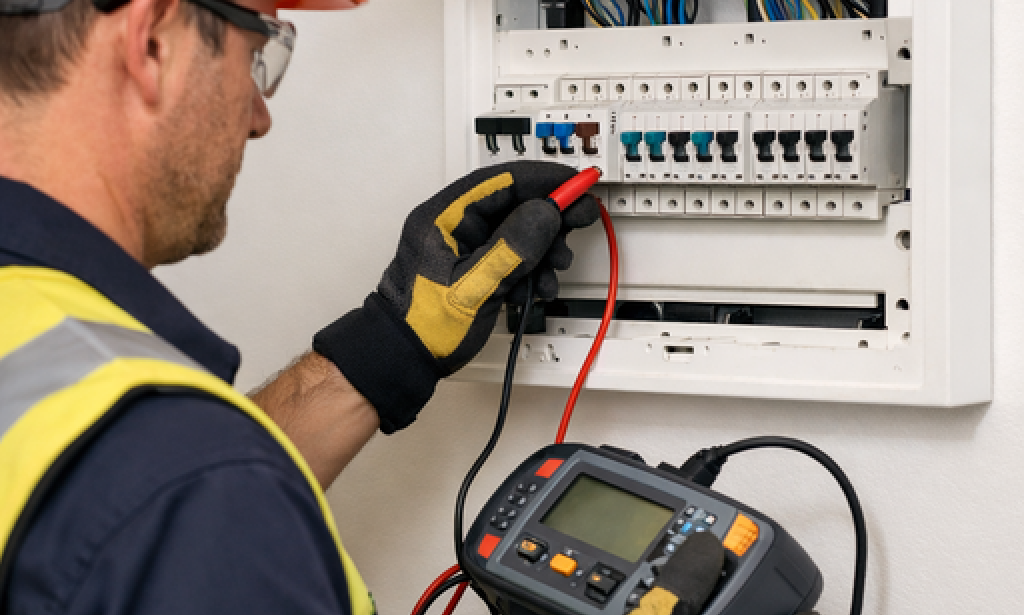
This is one reason professional fault finding equipment is so valuable. Licensed electricians can test circuits without opening every wall in the house.
Outdoor Electrical Equipment Often Causes Trouble
Many electrical faults begin outside the home.
Garden lights.
Pool pumps.
Garage power outlets.
Outdoor entertainment areas.
Weather exposure gradually affects switches, cables, sockets, and fittings.
Dust, insects, moisture, heat, and sunlight all contribute to wear over time.
Regular inspection of outdoor electrical equipment helps identify problems before they develop into larger safety concerns.
Could the Safety Switch Itself Be Faulty?
Although less common, safety switches themselves can eventually wear out.
Like any electrical component, they have a working lifespan.
If a switch frequently trips despite no obvious appliance or wiring fault being found, it may require testing.
Modern testing equipment allows electricians to verify whether the switch is operating within its required specifications.
Replacing an ageing safety switch is often straightforward and restores reliable protection.
Simple Checks You Can Safely Perform
While electrical repairs should always be left to qualified professionals, homeowners can perform a few safe observations.
Check whether one particular appliance causes the problem.
Look for damaged plugs or cables.
Inspect extension leads for visible wear.
Check outdoor sockets after heavy rain.
Avoid using appliances that smell burnt or feel unusually hot.
Test your safety switch using the built-in Test button every few months, following the manufacturer's instructions.
These simple checks often help narrow down the cause without exposing yourself to unnecessary risk.
What You Should Never Do
When the power keeps cutting out, it can be tempting to find a quick solution.
Avoid these common mistakes:
- Never tape down or bypass a safety switch.
- Never continue using an appliance that repeatedly trips the power.
- Never replace electrical components unless you're licensed to do so.
- Never ignore repeated tripping simply because resetting the switch restores power.
Remember, the safety switch is responding to a fault. Resetting it without identifying the underlying issue doesn't solve the problem.
When Professional Help Is Needed
If your safety switch trips repeatedly, even after unplugging appliances, it's time for a thorough inspection.
Professional fault finding can identify issues such as:
- Damaged wiring
- Hidden moisture
- Faulty circuits
- Defective safety switches
- Appliance leakage
- Outdoor electrical faults
Finding the real cause early often prevents more expensive repairs later while keeping everyone in the home safe.
Final Thoughts
A safety switch isn't trying to make life inconvenient.
It's performing one of the most important jobs in your home's electrical system by protecting people from potentially dangerous electrical faults.
Treat repeated tripping as an early warning rather than an annoyance.
Whether the cause is a worn appliance, hidden wiring issue, moisture, or an ageing electrical component, identifying the problem early is the safest approach.
Regular maintenance, safe electrical habits, and prompt attention to unusual behaviour all contribute to a safer and more reliable home.
Written by the team at TradeTek, sharing practical electrical safety advice to help homeowners keep their homes safe and running smoothly.

You must be logged in to post a comment.