

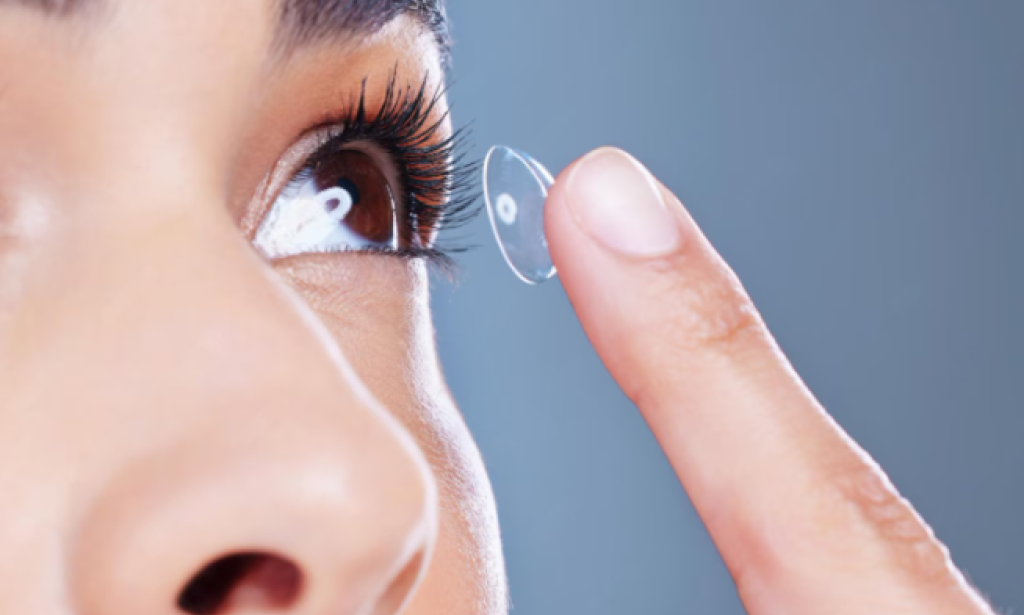
Have you ever wondered why some people can wear regular contact lenses easily while others need something much more specialized?
Many vision prescriptions are simple. Standard soft lenses work well for millions of people. But for others, the shape of the eye or the strength of the prescription makes vision correction more complicated. Conditions such as astigmatism, keratoconus, or high myopia change the structure of the eye, which means traditional lenses may not provide clear or comfortable vision.
This is where advanced contact lens designs become important. These lenses are developed to address complex prescriptions and unique eye shapes. With the right technology and proper fitting, they can provide sharper vision, better comfort, and healthier eyes for people who once struggled to see clearly with traditional options.
Understanding why these specialized lenses are needed can help patients make better decisions about their eye care and treatment options.
Why Do Some Vision Prescriptions Require Specialized Contact Lenses?
Some eye conditions change the shape or function of the cornea, making standard lenses less effective. When the eye surface is irregular or the prescription is very strong, specialized lenses are needed to provide stable and clear vision. These designs help improve comfort, focus, and long-term eye health.
The Shape of the Cornea Matters
The cornea is the clear front surface of the eye. In a healthy eye, the cornea is smooth and evenly curved. Light entering the eye focuses properly on the retina, which allows clear vision.
However, many people have corneas that are not perfectly round. When the surface becomes uneven, light does not focus correctly. This causes blurred or distorted vision.
For individuals with an irregular cornea, specialized lenses are often needed because they create a smoother optical surface. This improves vision correction for irregular cornea and allows light to focus properly.
Prescription Strength Can Affect Lens Choice
Some people have extremely strong prescriptions. High levels of nearsightedness, also called high myopia, require lenses with stronger optical power.
Standard soft lenses may not always provide the stability needed for strong prescriptions. Advanced lens structures help maintain consistent positioning on the eye, which is important for maintaining clear vision throughout the day.
Eye Health and Comfort Are Also Important
Comfort is just as important as clarity. A poorly fitting lens can cause dryness, irritation, or fluctuating vision.
Specialized lenses are designed to match the natural shape of the eye more precisely. This improves oxygen flow, stability, and comfort during long hours of wear.
Quick Fact: According to the National Eye Institute, more than 150 million Americans use some form of vision correction, including contact lenses and glasses.
Which Eye Conditions Require Specialized Contact Lens Solutions?
Not all vision problems are caused by simple refractive errors. Some conditions change the shape or structure of the eye, making standard lenses ineffective. In the following sections, we will explore the most common conditions that often require specialized contact lenses.
Why These Conditions Need Advanced Lens Technology
Certain eye conditions affect how light enters the eye and focuses on the retina. When the cornea becomes uneven or the prescription is very strong, standard lenses may not provide stable or clear vision.
This is where advanced contact lens designs become important. These lenses are specifically engineered to match the eye’s shape and provide improved optical clarity.
The Three Most Common Conditions Requiring Specialized Lenses
Eye care specialists frequently recommend specialized lenses for three primary conditions:
-
Astigmatism
-
Keratoconus
-
High myopia
Each of these conditions affects vision differently, but they all share one thing in common. They often require customized lens technology and precise fitting to achieve clear, comfortable vision.
Let’s begin by understanding how astigmatism affects vision and why specialized lenses are often recommended.
Understanding Astigmatism and Its Impact on Contact Lens Design
Astigmatism occurs when the cornea or lens of the eye has an uneven curvature. Instead of focusing light evenly, the eye produces blurred or distorted vision at multiple distances. Specially engineered lenses help stabilize vision and provide sharper focus.
What Is Astigmatism?
Astigmatism is one of the most common vision conditions. It happens when the cornea is shaped more like a football rather than a basketball.
This uneven curvature causes light to focus at different points instead of one clear focal point. As a result, people may experience:
-
blurred vision
-
eye strain
-
headaches
-
difficulty seeing clearly at night
For these cases, specially designed contact lenses for astigmatism help correct the uneven curvature and restore clearer vision.
Why Standard Lenses Often Do Not Work
Regular contact lenses can rotate on the eye. When a lens rotates, the correction becomes misaligned. This results in unstable vision.
Specialized lenses for astigmatism use stabilization technology to keep the lens in the correct position. This ensures that the optical correction stays aligned with the shape of the eye.
Toric Lens Technology
Many astigmatism patients use toric lenses. These lenses have different powers in different areas of the lens.
This allows the lens to correct multiple focal points simultaneously. With proper fitting, patients can experience stable and clear vision throughout the day.
Tip: People with astigmatism often benefit from professional evaluation because even small alignment changes can affect vision quality.
Keratoconus and the Need for Advanced Vision Solutions
Keratoconus is a progressive eye condition where the cornea becomes thin and bulges outward into a cone shape. This severe distortion makes regular contact lenses ineffective. Specialized lenses help create a stable optical surface that improves visual clarity.
What Happens in Keratoconus?
Keratoconus is a condition where the cornea gradually becomes thinner and begins to bulge outward. This changes the eye's optical surface dramatically.
Instead of a smooth dome shape, the cornea develops a cone-like structure. This results in severe distortion of incoming light.
People with keratoconus often experience:
-
double vision
-
extreme light sensitivity
-
ghost images
-
rapidly changing prescriptions
Why Specialized Contact Lenses Help
Traditional lenses follow the natural shape of the eye. When the cornea is irregular, this causes unstable vision.
Certain advanced contact lens designs create a smooth optical layer over the cornea. Instead of resting directly on the uneven surface, they allow light to focus more clearly.
This design greatly improves vision correction for irregular cornea, especially for patients with moderate to advanced keratoconus.
Types of Lenses Used for Keratoconus
Eye doctors may recommend several lens options:
-
rigid gas permeable lenses
-
hybrid lenses
-
scleral lenses
These lenses create a tear-filled space between the lens and the cornea, which helps correct optical distortion.
Statistic: According to the National Eye Institute, keratoconus affects approximately 1 in 2,000 people worldwide.
High Myopia and the Challenge of Strong Prescriptions
High myopia occurs when the eye grows longer than normal, causing light to focus in front of the retina. This results in strong nearsightedness. Specialized lenses help manage strong prescriptions and provide clearer vision.
What Is High Myopia?
High myopia is an advanced form of nearsightedness. People with this condition can see nearby objects clearly but struggle with distant vision.
This occurs when the eye becomes elongated, changing how light focuses inside the eye.
Vision Challenges with High Myopia
People with strong prescriptions may experience:
-
blurry distance vision
-
eye strain
-
difficulty driving at night
-
increased risk of retinal problems
Proper lens technology can help maintain consistent clarity and comfort.
Why Customized Lens Design Matters
For stronger prescriptions, precise lens positioning becomes essential.
Advanced lens structures provide stable correction and reduce distortion. This helps maintain visual clarity even with stronger optical power.
Quick Fact: The World Health Organization estimates that nearly 50% of the global population may develop myopia by 2050.
Why a Professional Contact Lens Evaluation Is Essential
Complex prescriptions require careful evaluation and fitting. A professional eye exam helps determine the correct lens type, size, and design for each patient. Proper fitting ensures comfort, eye health, and long-term vision stability.
The Importance of a Detailed Eye Exam
Before recommending any specialized lenses, eye doctors perform a detailed contact lens eye exam.
This evaluation measures:
-
corneal curvature
-
tear film quality
-
pupil size
-
prescription strength
These measurements help determine the most appropriate lens design.
The Role of Precision Fitting
A precise contact lens fitting ensures the lens sits correctly on the eye. Even small differences in fit can affect comfort and visual clarity.
Proper fitting reduces the risk of dryness, irritation, or lens movement during the day.
Ongoing Eye Health Monitoring
Specialized lenses require follow-up visits to ensure the eyes remain healthy and the prescription remains stable.
Regular monitoring helps detect potential issues early and keeps vision correction effective.
Helpful Tip: If you experience dryness while wearing contacts, you may find helpful strategies in this guide.
Key Takeaways
-
Some eye conditions require specialized contact lens technology.
-
Astigmatism occurs when the cornea has an uneven curvature.
-
Keratoconus causes progressive thinning and distortion of the cornea.
-
High myopia involves stronger prescriptions that require stable lens positioning.
-
Professional eye exams and precise fittings are essential for safe and effective vision correction.
Conclusion
Complex vision prescriptions require more than standard solutions. Conditions like astigmatism, keratoconus, and high myopia affect how light enters the eye and how images are focused. When the cornea is irregular or the prescription is very strong, specialized lenses provide clearer vision, improved comfort, and better long-term eye health.
Modern eye care technology now makes it possible for patients with challenging prescriptions to achieve excellent vision through customized lens solutions. With professional evaluation, careful fitting, and regular monitoring, these lenses can dramatically improve quality of life.
SWFL Eye Care is proud to provide advanced vision services for patients throughout Fort Myers, Cape Coral, and Naples, Florida. Their experienced team offers comprehensive eye care, personalized treatment options, and modern diagnostic technology to help patients achieve the best possible visual outcomes.
Whether you need specialized lenses or a routine eye exam, expert guidance can make a meaningful difference in maintaining healthy vision.
Frequently Asked Questions
1) Can contact lenses slow the progression of myopia?
Certain specialty lenses are designed to help manage myopia progression in younger patients, especially when monitored by an eye care professional.
2) Are scleral lenses comfortable for daily wear?
Yes. Many patients find scleral lenses comfortable because they rest on the white part of the eye rather than the sensitive cornea.
3) How long does a specialized contact lens fitting take?
A detailed fitting process may take multiple visits to ensure the lens provides optimal comfort and vision.
4) Can people with keratoconus avoid surgery with contact lenses?
In many cases, properly fitted specialty lenses can significantly improve vision and delay or prevent the need for surgical treatment.
5) Do specialized contact lenses require special cleaning routines?
Yes. Patients using specialty lenses may need specific cleaning solutions and care routines to maintain lens health and prevent infections.
Looking for Expert Eye Care and Contact Lens Solutions?
If you are struggling with blurry vision, discomfort, or a complex prescription, the right eye care provider can make all the difference.
A professional contact lens eye exam and personalized contact lens fitting can help determine the most effective solution for your unique vision needs. Experienced specialists can guide you through the latest lens technologies and ensure the best possible visual results.
Whether you are searching for trusted optical eye center professionals or exploring reliable eyeglass & contact lens stores, choosing a clinic that specializes in advanced vision care is essential.
If you want a clearer, more comfortable vision tailored to your prescription, why not reach out to experienced eye care professionals and discover the difference personalized care can make?

You must be logged in to post a comment.