

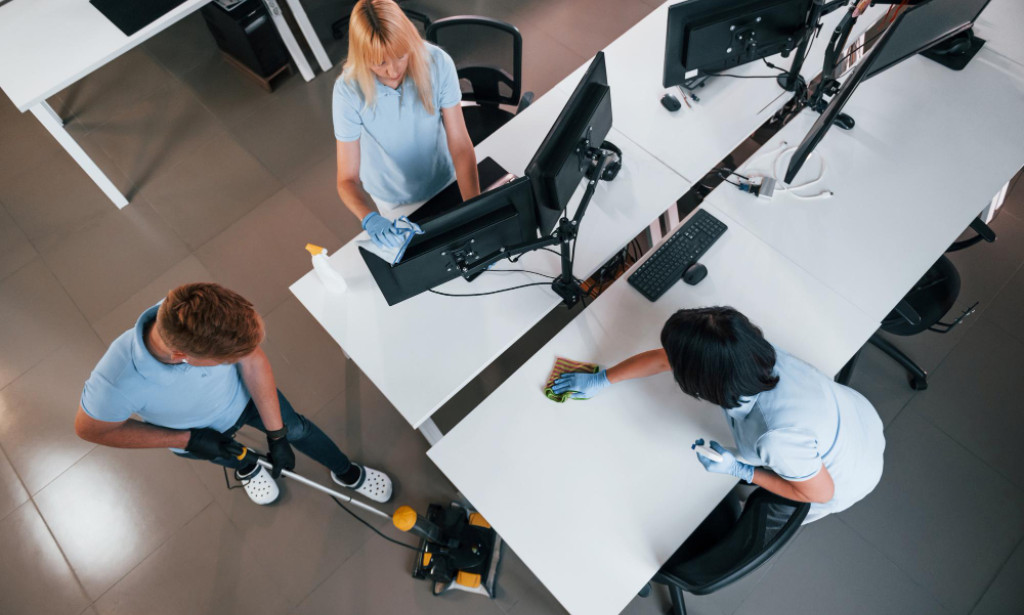
Creating a clean and well-maintained workspace is essential for supporting staff performance, wellbeing, and overall business success. When workplaces prioritise daily cleaning, they not only reduce germs but also boost morale, improve hygiene standards, and create a professional setting for both staff and visitors. A healthy office environment helps businesses recognise why consistent cleaning practices are vital for long-term workplace efficiency.
Below are the top daily cleaning practices every office should adopt to maintain high hygiene standards and build a healthier, more productive work environment.
1. Declutter Workstations Daily
A tidy desk sets the tone for a productive day. When employees start with clean and organised workstations, they waste less time searching for items and enjoy a more focused environment.
Daily tasks include:
-
Removing unnecessary papers and rubbish
-
Wiping down desks and drawers
-
Organising cables and stationery
-
Keeping personal items minimal
Decluttering is a simple habit that supports many healthy office environment benefits, such as improved concentration, fewer misplaced documents, and reduced dust build-up.
2. Clean High-Touch Surfaces Frequently
High-touch points are hotspots for germ transmission. Regular sanitising reduces the spread of bacteria and viruses, lowering sick days in the workplace.
Key high-touch areas to clean every day:
-
Door handles
-
Lift buttons
-
Light switches
-
Keyboards and mouse devices
-
Phones and headsets
-
Shared equipment such as photocopiers
By cleaning these surfaces several times a day, businesses help staff feel safer, healthier, and more confident in their work environment.
3. Empty Bins and Manage Waste Properly
Daily waste removal prevents foul odours, insect activity, and overflowing bins. Cleaners should empty general waste, recycling bins, and bathroom bins to maintain hygiene throughout the premises.
Best practices include:
-
Using bin liners to avoid residue
-
Disposing of waste in outdoor collection points
-
Cleaning and disinfecting bin surfaces
-
Encouraging staff to sort recycling correctly
Proper waste management also supports sustainability goals while maintaining a healthier office environment.
4. Keep Floors Clean and Safe
Clean floors reduce slip hazards, control dust, and create a professional appearance. Whether your office has carpets, tiles, or wooden flooring, daily cleaning is essential.
Daily floor-care tasks:
-
Vacuum carpets, especially in high-traffic areas
-
Mop hard floors with disinfectant
-
Remove spillages immediately
-
Spot-clean stains before they settle
Clean floors help maintain indoor air quality and contribute significantly to overall cleanliness.
5. Maintain Clean Breakout and Kitchen Areas
Office kitchens can quickly become breeding grounds for bacteria if neglected. Regular cleaning ensures safe food handling and keeps shared areas pleasant.
Daily cleaning actions:
-
Wiping countertops and tables
-
Cleaning microwaves, fridges, and kettles
-
Washing used dishes or loading dishwashers
-
Disinfecting taps, sinks, and cupboard handles
-
Emptying food waste bins
A clean kitchen area encourages healthy eating habits and supports workplace hygiene standards.
6. Sanitise Toilets and Washrooms
Washrooms reflect your organisation’s commitment to hygiene. Clean and fully stocked bathrooms reduce the spread of illness and help staff stay comfortable throughout the day.
Daily washroom tasks include:
-
Cleaning toilets, sinks, and taps
-
Disinfecting cubicle doors and dispenser handles
-
Replenishing soap, tissues, and hand towels
-
Removing waste and wiping down surfaces
-
Checking for leaks or maintenance issues
Maintaining washrooms properly is essential for employee satisfaction and workplace health.
7. Improve Indoor Air Quality
Air quality affects concentration, health, and productivity. Dust and pollutants can build up if no preventative measures are in place.
Daily practices to improve air quality:
-
Wiping dusty surfaces
-
Keeping ventilation systems open and unobstructed
-
Encouraging natural airflow where possible
-
Using air purifiers in congested areas
Clean air enhances focus, reduces allergies, and supports many healthy office environment benefits, making it a valuable part of daily cleaning routines.
8. Keep Shared Meeting Spaces Clean
Meeting rooms are used by multiple teams, making them vulnerable to germs and clutter. A clean meeting room ensures a professional atmosphere for both employees and visitors.
Daily meeting-room tasks:
-
Wiping tables, chairs, and presentation tools
-
Cleaning remote controls and screens
-
Removing rubbish and old notes
-
Sanitising shared markers and keyboards
-
Rearranging chairs neatly
A tidy meeting room reflects a positive brand image and promotes organised thinking.
9. Organise Reception and Common Areas
Your reception area is often the first impression clients and guests have of your business. Keeping it clean daily showcases professionalism and organisation.
Tasks to complete daily:
-
Dusting furniture
-
Cleaning glass doors
-
Sanitising seating and tables
-
Neatly arranging magazines and brochures
-
Vacuuming and mopping floors
A clean welcome area enhances comfort and builds trust with visitors.
Conclusion
Daily office cleaning is not just about appearance; it is a fundamental part of maintaining staff wellbeing and business productivity. When organisations understand and prioritise the healthy office environment benefits, they create workspaces that support hygiene, efficiency, and overall staff happiness. Implementing these daily cleaning practices allows employees to focus on their tasks without health concerns or distractions. Cleanliness reflects professionalism, builds employee confidence, and fosters a thriving workplace culture.
FAQs
1. Why is daily office cleaning important?
Quick answer: It prevents germ build-up, improves air quality, and promotes staff wellbeing.
2. How often should high-touch surfaces be cleaned?
Quick answer: Ideally several times a day, especially during busy hours.
3. Does daily cleaning reduce sick days?
Quick answer: Yes, regular cleaning reduces bacteria and virus transmission.
4. What areas are most important to clean daily?
Quick answer: Workstations, floors, washrooms, kitchens, and high-touch surfaces.
5. How can businesses maintain a healthy office environment consistently?
Quick answer: By following a structured daily cleaning routine and encouraging staff hygiene habits.

You must be logged in to post a comment.